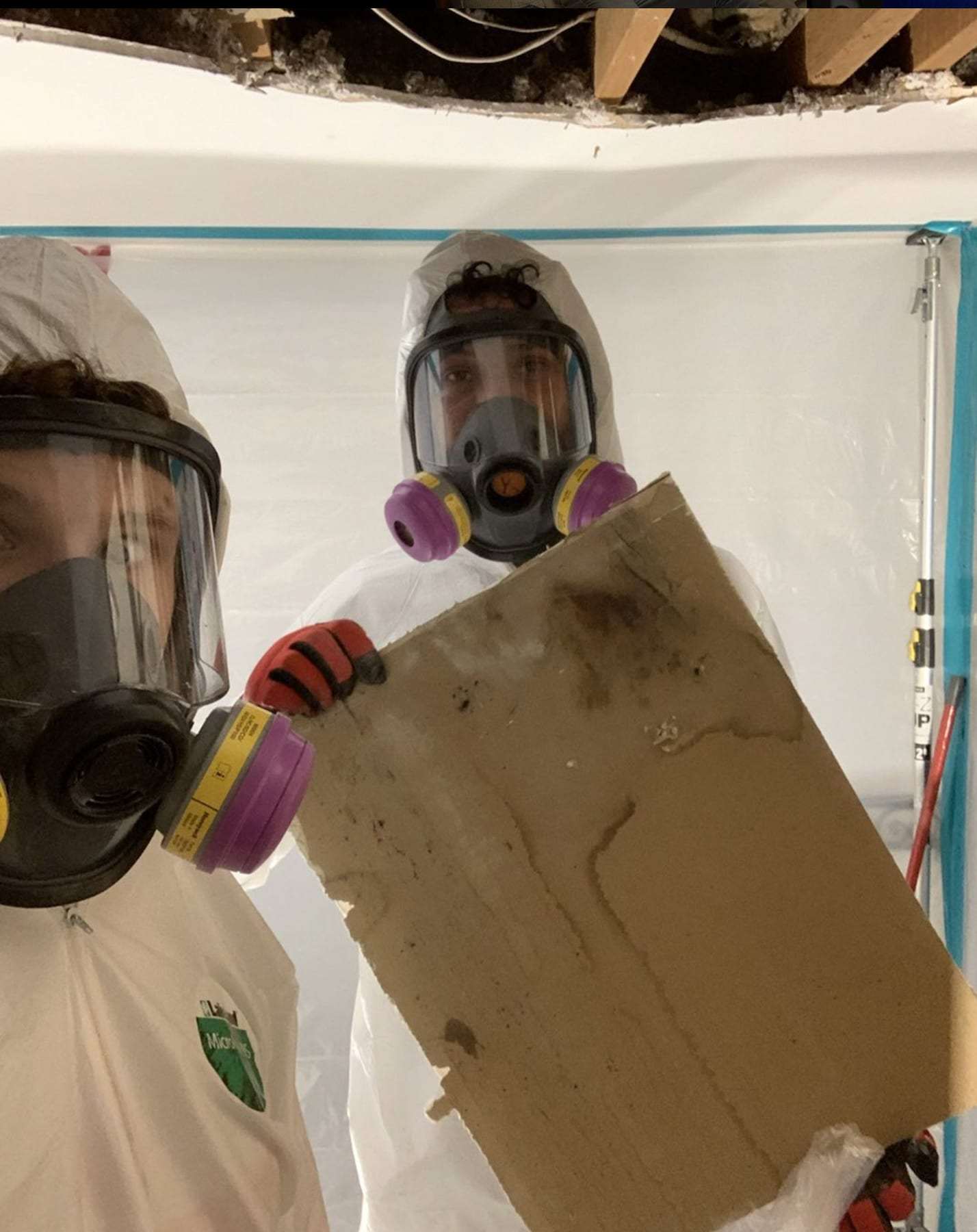
Basement mold behind paneling
Removing old wood paneling in a mid-century basement uncovers mold on the drywall and framing behind it, along a wall with past seepage.
What good remediation looks like: a clear assessment of what's affected and why, then contained removal and treatment of building materials so the problem is solved, not painted over.
A Hilltop homeowner's guide to mold assessment, containment, and remediation.
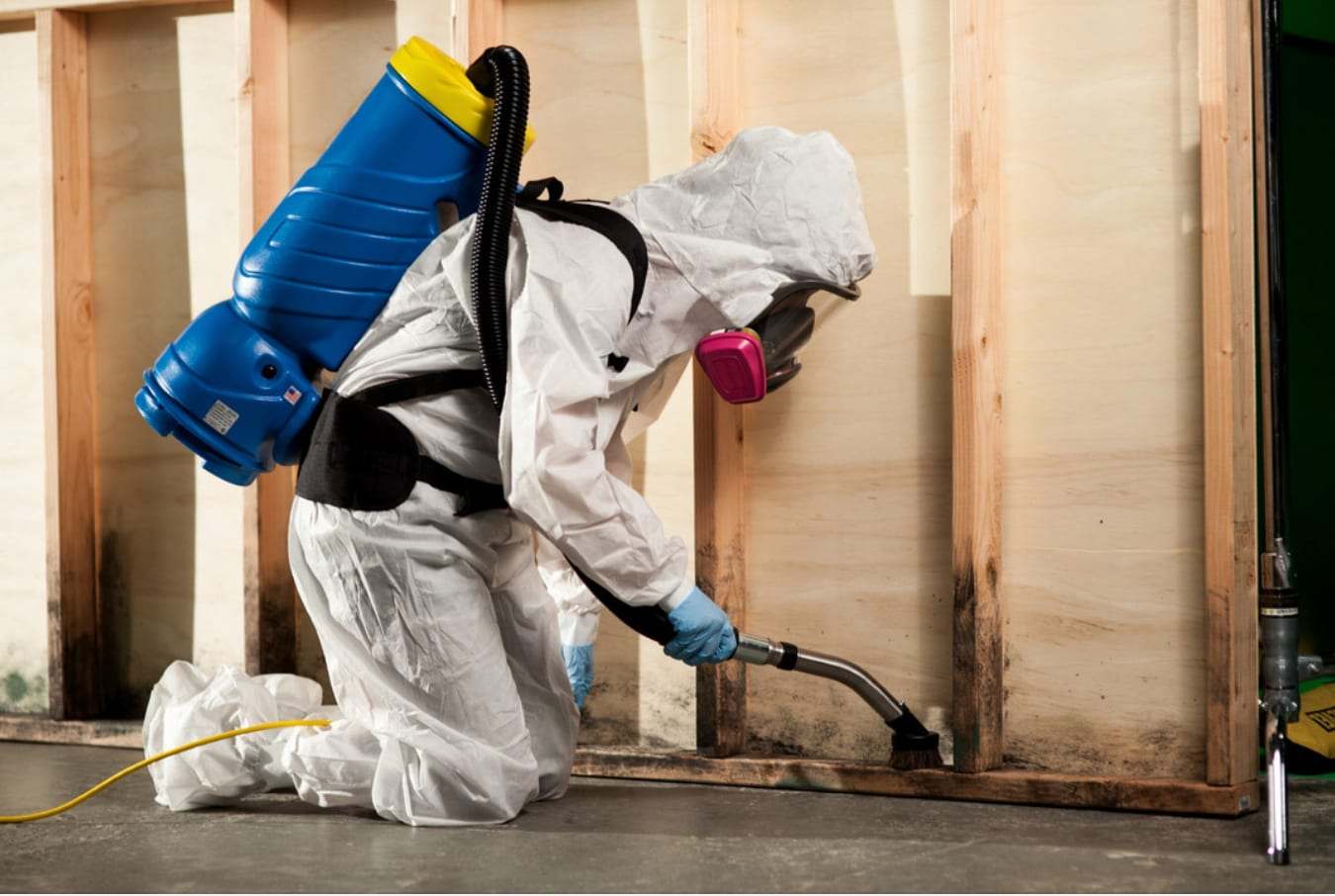
Mold on drywall paper, wood framing, carpet backing, or insulation isn't just a stain. It grows into porous materials, and wiping the surface leaves growth behind.
Effective remediation decides, material by material, what can be cleaned and what has to be removed. For a Hilltop homeowner, that usually means an assessment to map the growth and its moisture source, containment to keep spores out of the rest of the house, removal of affected drywall, insulation, or carpet, cleaning of framing and hard surfaces, and drying before anything is rebuilt.
Scope is based on the size of the growth, the materials involved, and the moisture source.
Find the moisture source and identify every affected material, including inside cavities when needed.
Seal the work area and use HEPA air filtration to limit spore spread during removal.
Remove affected porous materials and bag them inside containment.
HEPA-vacuum and clean remaining surfaces, and dry the structure fully.
Rebuild walls, insulation, and finishes after the moisture problem is corrected.
Find out what's wet, what's growing, and why. That means a visual inspection, moisture meters and thermal imaging to map moisture behind walls, and opening a small inspection hole when that's the only way to see.
Result: a written scope of what's affected, the cause, and what needs to be fixed first.
Contain the area, remove materials that can't be cleaned, clean and treat what remains, and dry the structure. Then repair. Remediation only starts after the moisture source is corrected.
Result: affected materials removed or cleaned, the structure dry, and the area rebuilt.
Hilltop, in east-central Denver, is a residential neighborhood of large lots and substantial homes. Much of its original housing dates from the 1940s and 1950s, and many of those houses have since been expanded or replaced with new construction, so a single block can include a mid-century brick ranch and a new modern home.
Both types can develop mold. Older homes may have past water events hidden behind remodeled basements and aging plumbing. Newer, tighter homes can trap moisture if ventilation isn't well balanced. The remediation approach is the same: find the moisture, contain, remove, clean, dry, and rebuild.
Hilltop is within the City and County of Denver; confirm that any contractor you call works in this part of the city.
Mid-century homes may contain asbestos in some flooring and textured finishes; test before removal.
Bathroom exhaust fans should vent outdoors, not into the attic.
Neighboring Crestmoor, Lowry, Cherry Creek, and Glendale share much of the same housing stock and moisture issues.
ZIP codes served: 80246 (Denver), 80220 (Denver), 80206 (Denver), 80230 (Denver), 80209 (Denver).
Also nearby: 80224, 80218, 80247, 80203, 80207, 80222, 80210, 80205, 80231, 80010, 80223, 80202, 80238, 80012.
Removing old wood paneling in a mid-century basement uncovers mold on the drywall and framing behind it, along a wall with past seepage.
An upstairs bathroom without a properly ducted exhaust fan develops growth on the ceiling and around the window.
A homeowner finds growth under the kitchen sink and in the wall behind it, months after a slow leak was repaired but never dried.
Longer guides and tools on moisture sources, materials and remediation scope.
How do you know how far the mold has spread inside a wall?
Technicians use moisture readings, thermal imaging, and visual inspection; sometimes a small inspection opening is made. Wet areas are mapped, and removal extends past visible growth to sound, dry material.
What is containment and why is it needed?
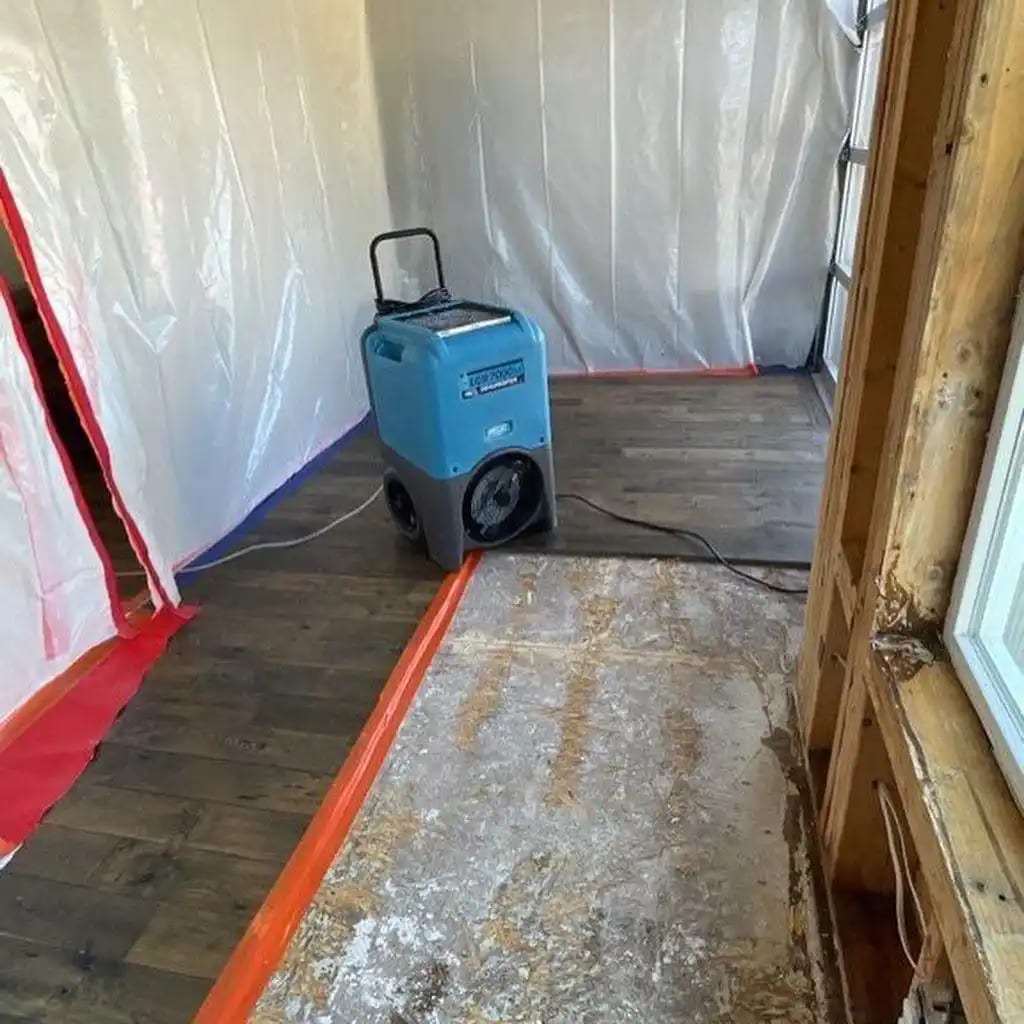
Containment separates the work area from the rest of the home, usually with plastic sheeting and zipper doors, and often uses HEPA-filtered air machines to keep air flowing into the work area rather than out.
Can mold-stained wood framing stay?
If the framing is structurally sound, it's usually cleaned, HEPA-vacuumed, and dried rather than replaced. Some contractors also apply a sealant afterward. Rotted or weakened wood is replaced.
How long does mold remediation take?
Small, contained jobs may take a day or two; larger areas, especially with rebuilding, take longer. Drying and any needed repairs to the moisture source affect the timeline.
Is black mold more dangerous than other mold?
Color doesn't identify the type of mold or its risk. Any indoor mold growth should be removed, and people with respiratory conditions or weakened immune systems should be cautious around it. Talk to a medical professional about health concerns.
Should I have the air tested after remediation?
Post-remediation testing, often by an independent assessor, can confirm the area is clean. It's commonly used for real estate transactions or when occupants have health concerns.
Why not just remove the mold? Why find the leak first?
Because mold is a symptom. If the wet source is still there, new growth starts on clean replacement material within weeks. Remediation is only worth paying for once the leak is repaired or the humidity problem is corrected.
This form is not connected. This website is a draft preview: no business has been confirmed to receive requests, so the fields below are switched off and nothing can be sent. In an emergency, call 911.